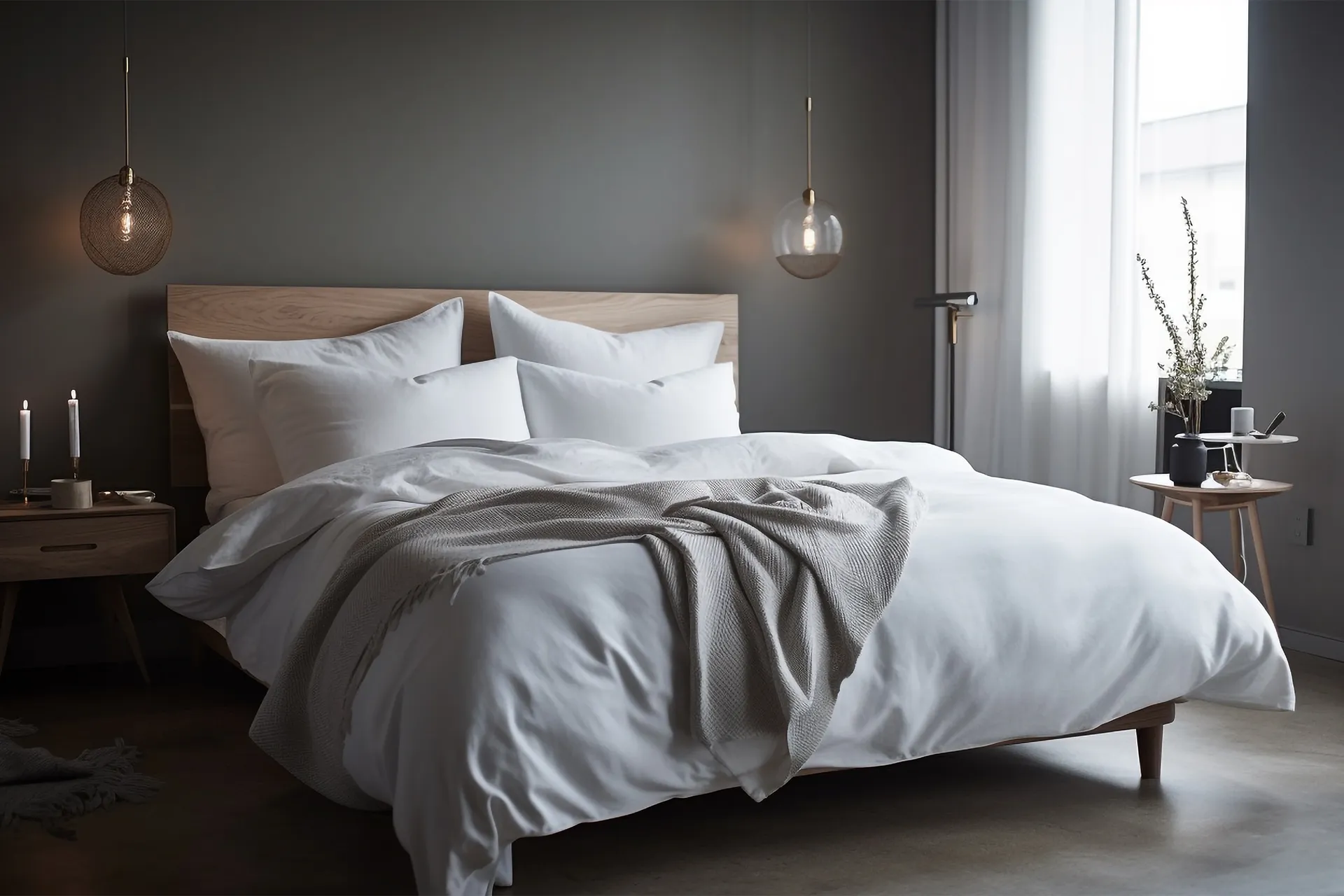


For the discerning professional, sleep is not a luxury; it is the ultimate performance tool. Yet, the finest executive desk and the most advanced technology cannot compensate for a night spent fighting poor posture. Sens-o-pedic designs mattresses built to cradle your body’s natural alignment, but understanding your best position is the final, essential step to truly mastering your rest.
The Core Principle: Spinal Neutrality
Your spine has three natural curves. The goal of optimal sleep posture is to maintain these curves in a neutral position, relieving pressure on ligaments, tendons, and muscles. When your mattress fails to support this neutrality—allowing your hips to sink too far or your shoulders to remain unyielding—you sacrifice spinal integrity for comfort, leading to daytime pain and cognitive fatigue.
1. The Supreme Side Sleeper (The Most Common Position)
Side sleeping is the most popular position, but it carries the highest risk of misalignment if your mattress is too firm or too soft.
- The Challenge: The weight difference between your hips and shoulders can cause your spine to sag or bow, creating pressure points in the lower back.
- The Sens-o-pedic Solution: The ideal mattress must have zoned support—softer cradling for the shoulders and firmer support for the hips—to keep the spine perfectly straight from head to pelvis.
- Best Practice: Always sleep with a pillow between your knees. This prevents the top leg from rotating and dragging the spine out of alignment.
2. The Back Sleeper (The Optimal Alignment)
Statistically, back sleeping is the easiest way to achieve spinal neutrality, provided the head and neck are supported correctly.
- The Challenge: Using a pillow that is too thick can force your chin toward your chest, straining the neck and potentially restricting breathing.
- The Sens-o-pedic Solution: Your premium mattress provides the core support, requiring only a medium-loft pillow that supports the natural curve of the neck without elevating the head excessively.
- Best Practice: Place a small, supportive pillow beneath your knees. This slight elevation flattens your lower back, relieving tension and ensuring complete relaxation of the lumbar region.
3. The Front Sleeper (The Position to Avoid)
This position is strongly discouraged by sleep experts as it forces the head to remain turned to one side for hours, twisting the neck and potentially straining the lower back.
- The Challenge: This posture puts extreme torsional stress on the cervical spine and may flatten the natural curve of the lumbar spine.
- The Sens-o-pedic Solution: If you simply cannot transition away from stomach sleeping, select a medium-firm mattress to prevent excessive sinking and minimize the “hammock” effect on your lower back.
- Best Practice: Attempt to sleep with a pillow placed under your hips/lower abdomen. This can slightly alleviate the pressure on your lumbar spine.
Conclusion: Invest in Your Alignment
A Sens-o-pedic mattress is engineered to uphold your posture, but the final secret to true rest lies in your habit. Prioritize side or back sleeping, ensure your pillows facilitate spinal neutrality, and you will unlock the full restorative power of your luxury investment. Rest well, rise ready.